Why Some IVF Cycles Get Cancelled Before Egg Retrieval
Initiating an IVF cycle usually brings with it a combination of optimism and resolve. Daily injections, consistent monitoring, and meticulous planning all contribute to egg retrieval, which numerous patients regard as a significant milestone. When a cycle is terminated prior to that moment, the announcement can seem abrupt and profoundly disheartening. It could prompt inquiries about what occurred or if the treatment has completely failed.
In fact, canceling an IVF cycle is a medical choice made considering safety and future success. Hormone levels might not react as anticipated, follicles could develop either too slowly or too rapidly, or health issues may surface that render continuation imprudent. In this article, we outline the primary reasons IVF cycles may be halted prior to egg retrieval, how physicians assess these circumstances, and the typical choices available to patients afterward. Understanding these factors can help in minimizing ambiguity and render the upcoming actions more distinct and achievable.
What IVF Cycle Cancellation Means
Receiving news that a cycle has been cancelled may seem conclusive, but from a medical standpoint, it is not. Cancellation prior to egg retrieval indicates that the treatment is halted before the egg collection process occurs. No eggs are collected, and the process does not advance to fertilization or embryo growth. Though emotionally challenging, this choice is frequently made to prevent a reduced likelihood of success or to safeguard your health.
Doctors do not cancel cycles without consideration. The decision is made using real-time data collected during observation, such as ultrasound images and hormone levels. When these indicators imply that persisting may come with risks or improbability to yield viable eggs, halting prematurely can enhance your prospects in a subsequent cycle.
Why Cancellation Is Sometimes the Best Option
An IVF cycle is designed to balance opportunity and safety. If that balance shifts too far in either direction, continuing may do more harm than good.
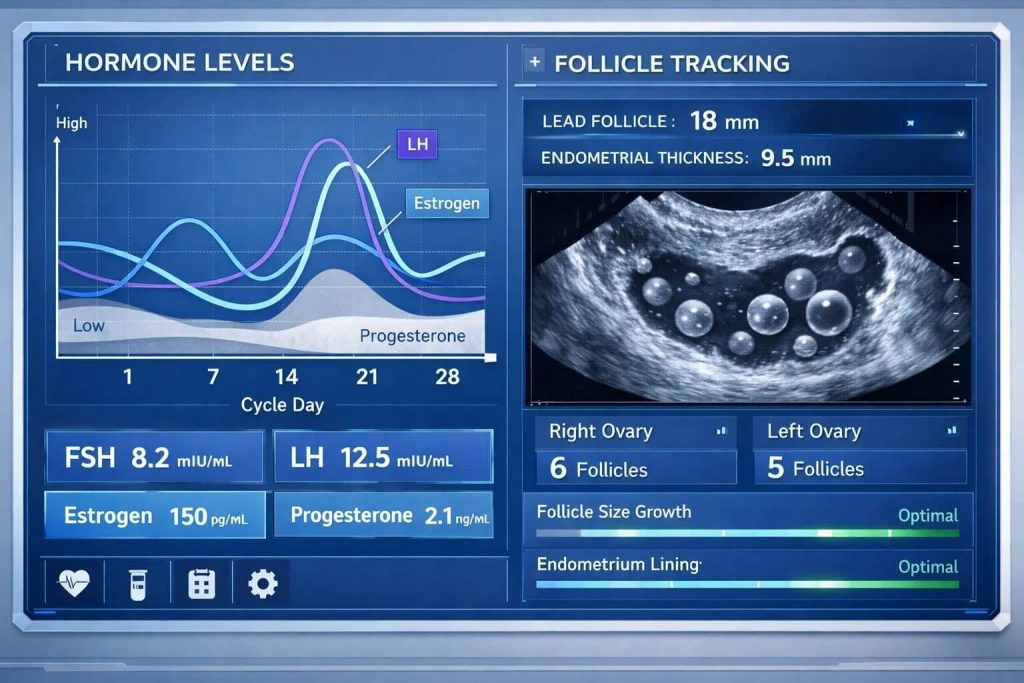
Common reasons doctors may recommend cancellation include:
- Too few follicles developing to justify egg retrieval
- Hormone levels that indicate eggs may not mature properly
- Signs that the ovaries are over-responding and risk complications
- Timing issues that could compromise egg quality
In these situations, cancelling allows our care team to regroup rather than proceed with a cycle that has limited potential.
How Common Is IVF Cycle Cancellation?
IVF cycle cancellation happens more often than many patients expect, especially in first-time cycles. Early cycles provide valuable information about how your body responds to stimulation, which helps refine future treatment plans.
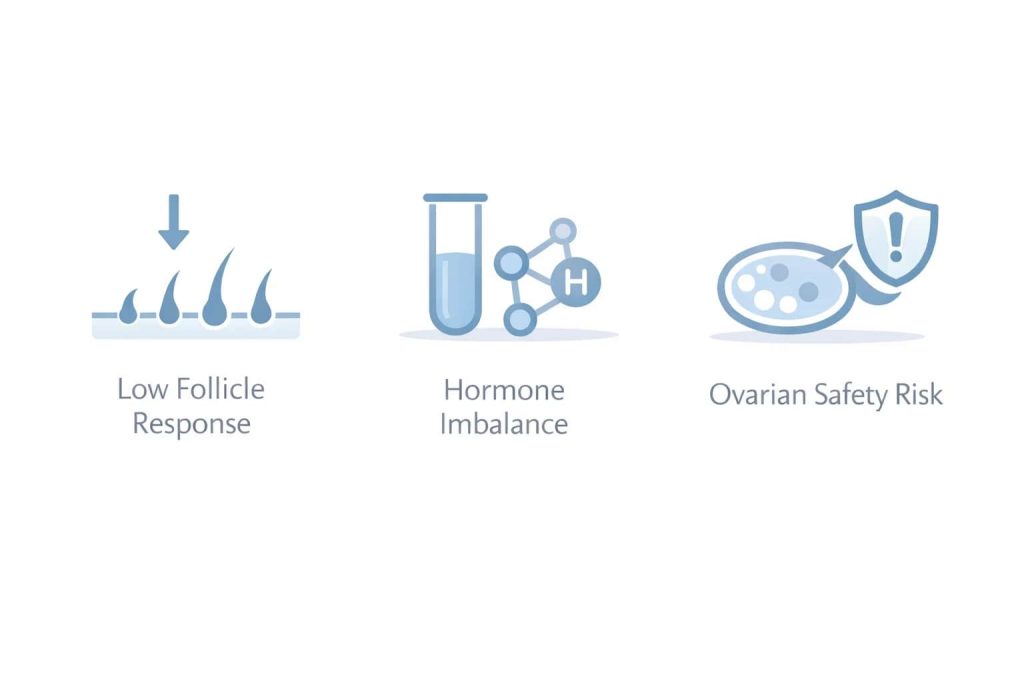
Cancellation rates tend to be higher in:
- Patients with low ovarian reserve
- Patients with very high ovarian response
- Older patients or those with complex hormone patterns
- Individuals with a history of unexpected responses to medication
Importantly, a cancelled cycle does not predict long-term failure. Many patients go on to have successful outcomes once their protocol is adjusted based on what was learned during the interrupted cycle.
Low Follicle Response and Poor Ovarian Stimulation
A low follicle response is one of the most frequent reasons an IVF cycle gets cancelled prior to egg retrieval. This indicates that the ovaries are insufficiently generating mature follicles even with stimulation medication. For patients, this may be perplexing and disheartening, particularly when injections and monitoring have been ongoing for several days.
Follicles are expected to grow steadily and in reasonable numbers. When that does not happen, doctors have to weigh whether proceeding to egg retrieval would offer any meaningful benefit.
What Low Response Looks Like During Monitoring
Low response usually becomes clear through ultrasound scans and blood tests. Instead of seeing multiple follicles growing at a similar pace, doctors may observe only one or two small follicles, or follicles that stop developing early.
Signs that raise concern include:
- Very few follicles visible on ultrasound
- Follicles growing slowly or unevenly
- Estrogen levels that remain low despite increasing medication
- Little change in response over several days of stimulation
Why Cycles Are Often Stopped in These Cases
Egg retrieval is an invasive procedure. If only one or two follicles are present, the chance of retrieving usable eggs may be very low. Even if eggs are collected, fertilization and embryo development may not follow. In these situations, cancelling the cycle can prevent unnecessary procedures and allow the medical team to adjust the plan for better results next time.
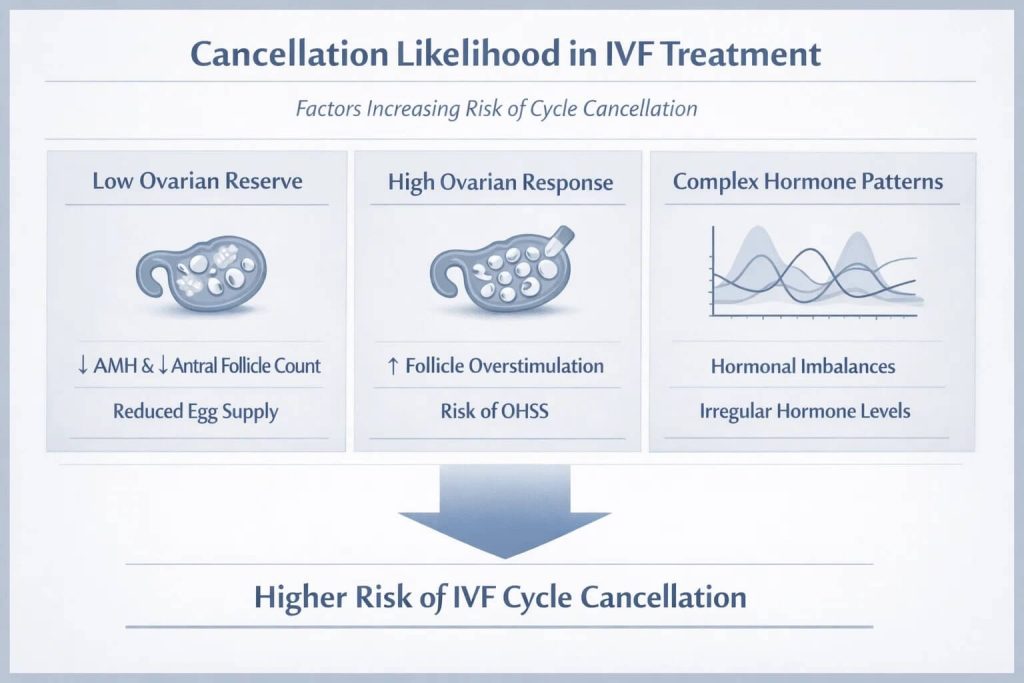
Low response can be influenced by ovarian reserve, age, or how the ovaries react to specific medications. It can also happen unexpectedly, even when initial tests suggested a stronger response. Although disappointing, this type of cancellation often provides valuable insight that helps guide a more effective approach in a future IVF cycle.
Excessive Response and Safety Concerns
Not every cancellation is caused by a low response. In some cases, the ovaries react too strongly to stimulation. What may look encouraging at first can quickly shift into a safety concern. When follicle numbers rise rapidly or hormone levels spike, continuing the cycle can place unnecessary strain on the body.
Doctors monitor closely for this scenario because the goal of IVF is not to collect as many eggs as possible at any cost. It is to achieve a safe response that supports healthy egg development.
When “Too Much” Becomes a Problem
A strong response often shows up early. Ultrasound scans may reveal a large number of follicles developing at once. Blood tests may show estrogen levels climbing faster than expected. On their own, these signs are not always dangerous, but together they can signal increased risk.
In these situations, your doctor may pause and reassess rather than push forward.
Possible red flags include:
- Rapid follicle growth across both ovaries
- Estrogen levels rising beyond safe thresholds
- Increasing abdominal discomfort or bloating
- Concern about ovarian hyperstimulation syndrome
Why Doctors May Stop the Cycle Early
Ovarian hyperstimulation syndrome can range from mild discomfort to serious medical complications. Cancelling a cycle early helps prevent this outcome. It also protects long-term ovarian health and avoids turning a treatment cycle into a recovery situation.
Sometimes, doctors may suggest converting the cycle rather than fully cancelling it. In other cases, stopping stimulation altogether is the safest choice. While frustrating, this decision reflects caution and care rather than failure. It prioritizes your wellbeing so future treatment can move forward under safer conditions.
Moving Forward With Clarity
An IVF cycle that stops before egg retrieval can feel like an abrupt setback, but it is rarely the end of the road. In most cases, cancellation happens because continuing would offer limited benefit or pose unnecessary risk. Low follicle response, hormone imbalances, or an excessive ovarian reaction are signals your care team uses to protect both your health and your chances of success in the future.
Key takeaways to keep in mind:
- Cycle cancellation is a medical decision, not a personal failure.
- It often provides valuable information about how your body responds to treatment.
- Many patients achieve better outcomes in later cycles once protocols are adjusted.
- Open discussion with your doctor helps turn a paused cycle into a stronger plan ahead
If you are navigating IVF or have experienced a cancelled cycle, support and clear guidance make a real difference. A clinic such as Millennium IVF can help you understand what happened, what it means, and how to move forward with a plan tailored to your body and goals.
Written by
Dr. Naruemit Wonglikitpanya, M.D.
Fertility specialist at Millennium IVF Clinic in Bangkok with over 15 years of experience, known for evidence-based IVF care and personalized treatment plans.
Share this article
Talk to our care team.
Free consultations with our specialists: clear, personalized advice for your IVF journey.
Book Consultation