Why Is My AMH Level Low Despite Regular Periods?
It might seem puzzling when your doctor informs you that your AMH level is low even if your periods come on schedule every month. Many individuals think that regular periods intrinsically represent excellent fertility, so hearing otherwise might come as a surprise.
AMH, abbreviation for Anti-Müllerian Hormone, is a substance created by microscopic egg-containing sacs in the ovaries. Doctors use it to determine your ovarian reserve, which is the amount of eggs you still have. A low AMH score may signal fewer eggs, even if your menstrual cycle seems entirely normal.
In this post, we will discuss why AMH might be low while having regular periods, what it implies for your fertility, and the measures you can take to better understand your reproductive health.
Understanding AMH and Ovarian Reserve
AMH is often described as a snapshot of your egg supply. Each month, your ovaries hold thousands of tiny follicles, which are small sacs that can release an egg. The cells around these follicles produce AMH, so the more follicles you have, the higher your AMH level tends to be. Over time, as the natural egg reserve decreases, AMH levels drop as well.
Why a Regular Period Does Not Guarantee High AMH
Having regular periods simply means your body is releasing an egg and shedding the uterine lining on a steady schedule. It does not always show how many eggs are left. Some women can ovulate monthly with a normal cycle even when their ovarian reserve is already lower than expected for their age.
Key Points to Keep in Mind
- AMH is more about the quantity of eggs, while a regular cycle reflects function.
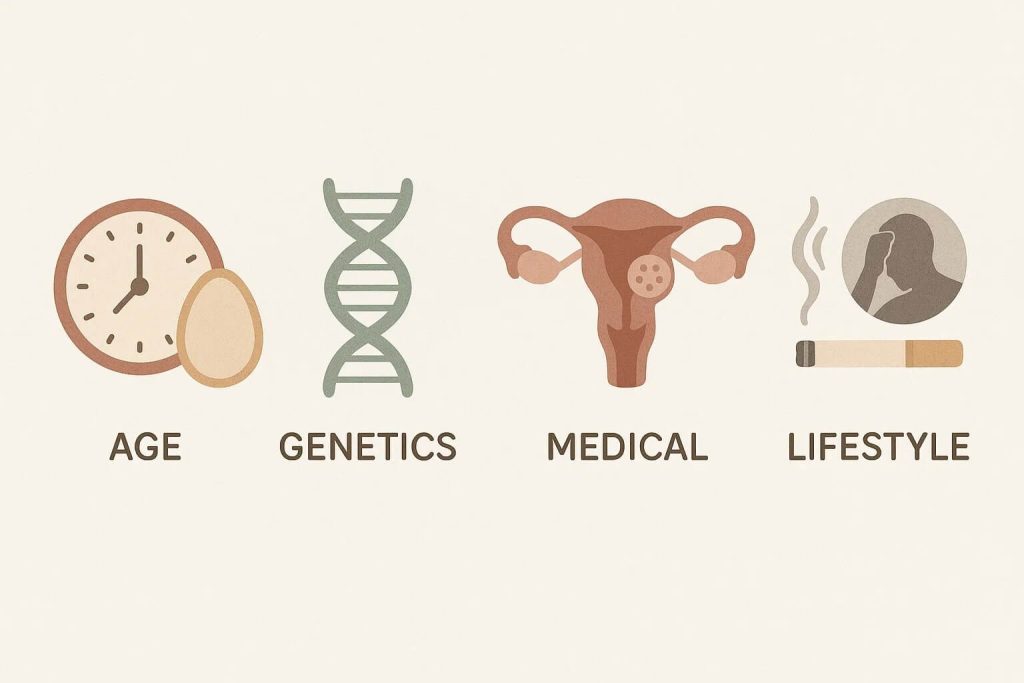
- Age is the biggest factor affecting AMH, but genetics and lifestyle play a role too.
- A low AMH result does not always mean pregnancy is impossible, but it may suggest less time to try naturally or with fertility treatments.
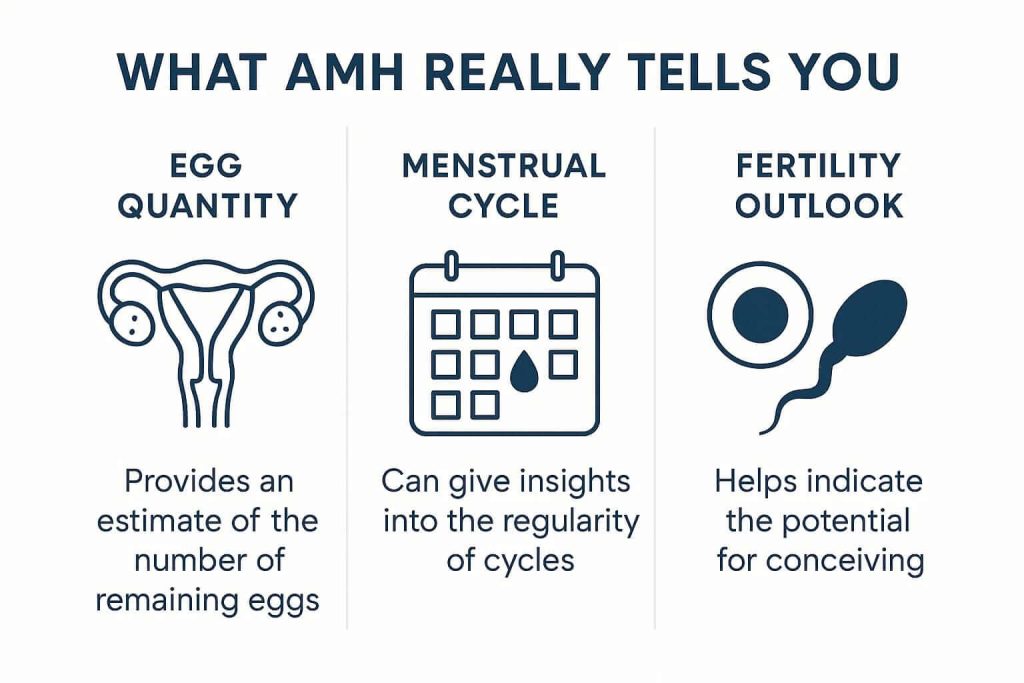
For couples who want a clearer picture, a fertility checkup that includes AMH testing, ultrasound scans, and hormone evaluation can provide important answers.
Common Reasons for Low AMH Despite Regular Cycles
Many women are surprised when test results show low AMH even though their menstrual cycles appear normal. This happens more often than people realize, and there are several possible explanations.
Age and Natural Egg Decline
- Women are born with all the eggs they will ever have, and the supply gradually decreases over time.
- Even if cycles remain predictable, egg quantity and quality both drop with age, especially after 35.
- A woman in her late 30s may still menstruate monthly, but her ovarian reserve is often much lower than it was in her 20s.
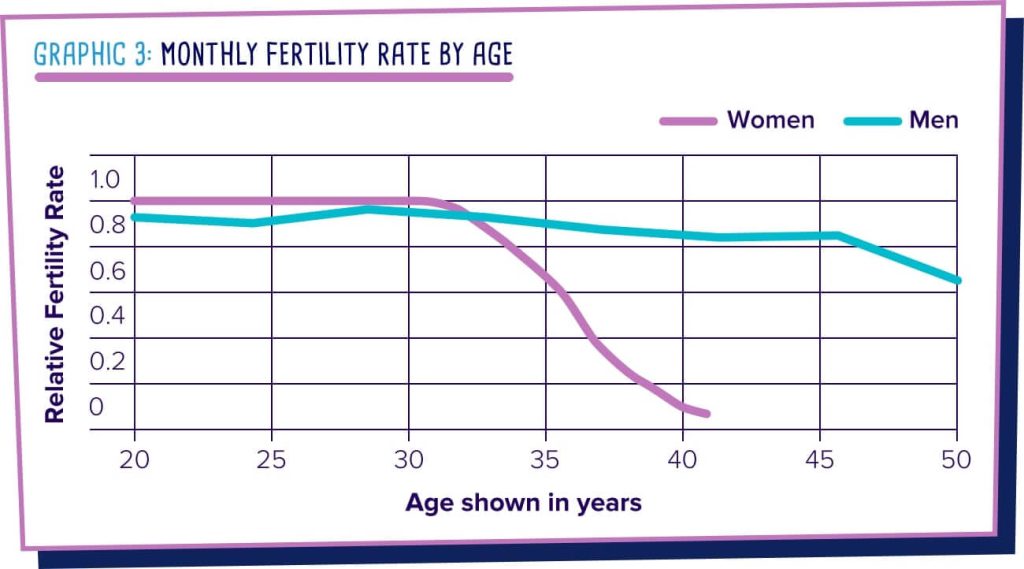
Source: British Fertility Society website
Genetic and Family Factors
Some women inherit a tendency toward lower ovarian reserve. For example, if a mother experienced early menopause, her daughter may also have reduced egg supply at a younger age. Genetics can play a major role, regardless of whether periods remain regular.
Medical Conditions
Certain conditions affect the ovaries and may lower AMH levels:
- Endometriosis: A disorder where tissue similar to the uterine lining grows outside the uterus, sometimes affecting ovarian tissue.
- Autoimmune issues: In rare cases, the immune system can mistakenly damage the ovaries.
- Previous ovarian surgery: Removing cysts or other growths may also reduce the number of healthy follicles.
Lifestyle and Environmental Factors
- Smoking has been linked to faster loss of eggs and lower AMH.
- Long-term stress, poor sleep, and unhealthy diet may also impact hormone levels, though research is ongoing.
- Exposure to environmental toxins, such as certain chemicals or pollutants, may harm egg health over time.
What Low AMH Means for Fertility
Hearing that your AMH is low might seem disappointing, but it is vital to understand what the test truly measures. AMH represents the amount of tiny follicles in the ovaries, which is a sign of ovarian reserve. It does not offer a comprehensive picture of fertility on its own.
AMH and Egg Quantity vs. Egg Quality
- Quantity: A lower AMH usually points to fewer eggs remaining. This means there may be fewer chances for ovulation in the future.
- Quality: AMH does not measure the quality of eggs. A woman with low AMH can still release healthy, viable eggs that may result in pregnancy. Quality is strongly influenced by age.
Fertility Outlook with Low AMH
- Women with low AMH may take longer to conceive naturally, but pregnancy is still possible.
- Success often depends on other factors, such as the partner’s sperm health, the woman’s age, and overall reproductive health.
- Fertility treatments, including IVF or ICSI, are sometimes recommended because they allow doctors to work with whatever number of eggs can be retrieved.
Why Testing Alone Is Not Enough
Relying on AMH findings without considering additional tests may lead to undue anxiety. Doctors sometimes combine AMH with ultrasound imaging and hormone tests to get a better picture of ovarian function.
Even if AMH is low, options such as egg freezing, lifestyle adjustments, and medical treatment can support fertility goals.
While a low AMH result can be worrying, it does not automatically mean natural pregnancy is impossible. Many women with lower levels have gone on to conceive, especially with medical support. A consultation with one of our fertility specialists at Millennium IVF can help identify whether low AMH is a concern and what next steps might make sense.
Written by
Dr. Naruemit Wonglikitpanya, M.D.
Fertility specialist at Millennium IVF Clinic in Bangkok with over 15 years of experience, known for evidence-based IVF care and personalized treatment plans.
Share this article
Talk to our care team.
Free consultations with our specialists: clear, personalized advice for your IVF journey.
Book Consultation