What is Assisted Reproductive Technology (ART)?
Assisted Reproductive Technology, generally abbreviated as ART, comprises medical treatments and approaches aimed at supporting individuals or couples in establishing conception. It may even seem unsettling at first, but ART provides different possibilities that have helped millions across the world to become parents. Whether you’re beginning to look into fertility treatments or already know some of the terminology, let’s simplify it in a way that’s easy to understand.
What Is Included in ART?
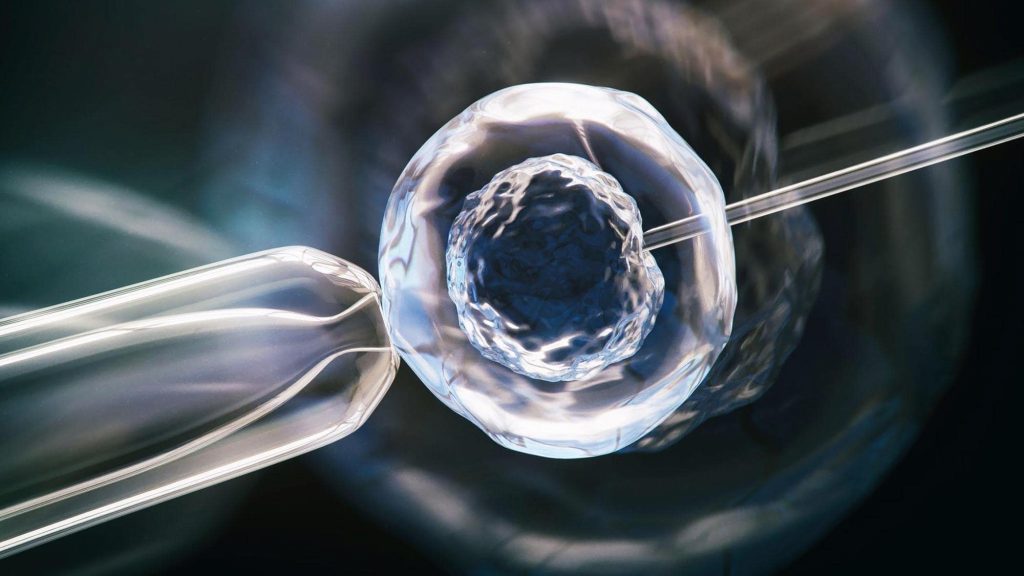
ART encompasses various methods, with in vitro fertilization (IVF) being the most prevalent. However, it doesn’t end there. It also encompasses techniques such as intracytoplasmic sperm injection (ICSI), egg freezing, and employing donor sperm or eggs. These processes involve managing eggs, sperm, or embryos externally to enhance the likelihood of achieving a successful pregnancy.
In Vitro Fertilization (IVF)
IVF is likely the most recognized ART technique. Here’s the process: eggs are collected from the ovaries and then fertilized with sperm in a laboratory. After an embryo is created, it is placed in the uterus with the expectation of implantation. IVF can assist for several reasons, including obstructed fallopian tubes, reduced sperm count, or infertility with no clear cause.
Intracytoplasmic Sperm Insertion (ICSI)
ICSI is commonly combined with IVF. It’s a more targeted method in which one sperm is directly inserted into an egg. This is especially beneficial in situations where sperm quality or motility presents a challenge.
Egg Freezing and Embryo Freezing
At times, individuals may wish to postpone starting a family or safeguard their fertility for medical purposes, such as receiving cancer therapy. Egg freezing consists of collecting and preserving unfertilized eggs for later use. Embryo freezing goes a step beyond—fertilized embryos are preserved for future use.
Choice of Donors
Utilizing donor eggs, sperm, or embryos may be a solution for individuals or couples experiencing difficulties with their own reproductive cells. These contributions undergo thorough checks to guarantee safety and compatibility.
Surrogacy
In certain instances, a surrogate might go through a pregnancy for an individual unable to conceive a child. The embryo is formed through IVF, utilizing either the reproductive cells of the intended parents or those from donors.
Who Could Require ART?
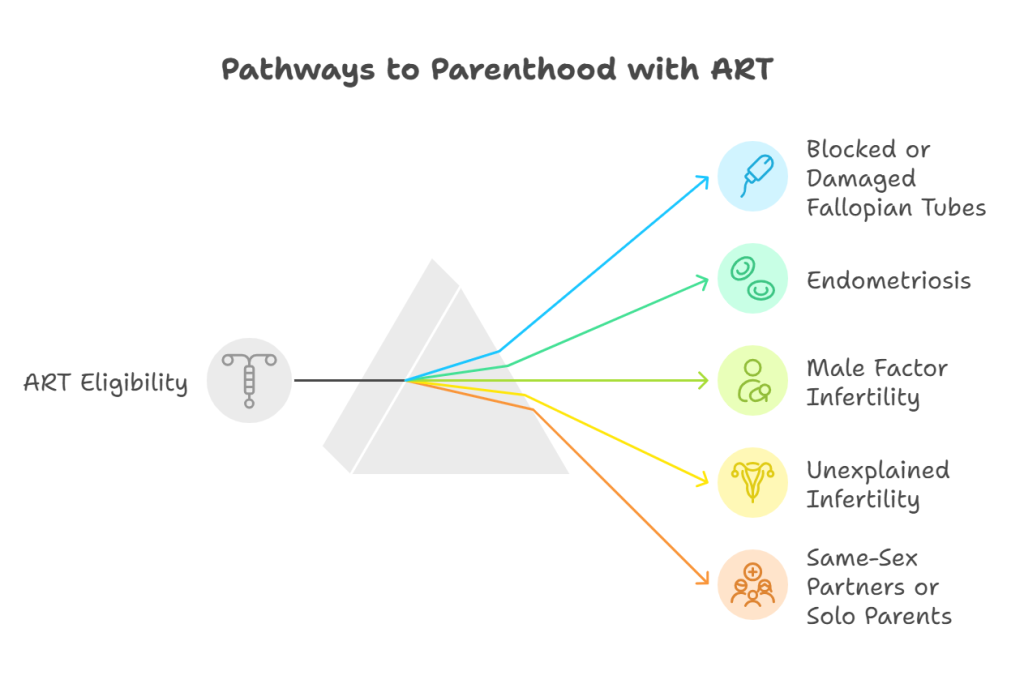
ART is usually specified for couples or individuals who have been trying to conceive unsuccessfully. It serves as a remedy for specific health issues or life situations, including:
Blocked or harmed fallopian tubes: Eggs cannot encounter sperm naturally.
Endometriosis: This condition may impact the quality of eggs and their ability to implant.
Male factor infertility: Problems such as reduced sperm count or inadequate motility (movement of the sperm) may necessitate ART.
Unexplained infertility: In cases where a specific cause is not identified, ART may assist in overcoming possible undetected problems.
Same-sex partners or solo parents: ART provides avenues to parenthood via donor and surrogacy choices.
What to Anticipate During an ART Procedure
The thought of starting ART may appear daunting, but understanding what to anticipate can assist. Although the details vary based on the procedure type, here is a broad summary:
Consultation and Examination
The initial step includes talking about your medical background and any fertility issues with a specialist. Testing is performed to assess hormone levels, ovarian reserves (the quantity and quality of eggs), and the health of sperm.
Stimulation and Retrieval
For treatments like IVF, medication is utilized to stimulate the ovaries to produce multiple eggs. These eggs are subsequently extracted in a short procedure conducted under mild sedation.
Fertilization and Embryo Culture
Once the eggs are extracted, they are mixed with sperm in a lab to facilitate fertilization. If successful, the embryos are observed for a few days while they grow.
Transfer or Freezing
A healthy embryo is chosen for transfer to the uterus. If you’re not ready to continue with implantation, embryos may be preserved for later use.
Pregnancy Testing
After a two-week delay, a blood test shows if the procedure was effective.
Success Rates and Challenges
ART has brought happiness to numerous families, yet it’s not always a smooth journey. Success rates differ based on factors such as age, the root cause of infertility, and the specific procedure used. For instance, younger women frequently experience a greater success rate with IVF due to superior egg quality.
Approaching ART with practical expectations is essential. Although the path may evoke strong feelings, improvements in technology have greatly enhanced results throughout the years.
Emotional and Physical Factors
ART isn’t solely a physical activity—it can also impact someone emotionally. The fluctuations of therapies, anticipating outcomes, and the monetary commitment can all create stress. Having a reliable support network is crucial, whether it involves a partner, family members, friends, or a professional therapist.
Physically, you may incur adverse effects with fertility medicine, including mood changes, bloating, or minor pain during treatments. Your medical staff will support you with these and focus on your well-being.
At Millennium IVF Clinic, we are devoted to aiding you at every step of the process. Our professional staff delivers numerous ART services adapted to your individual needs. Whether you’re contemplating IVF, egg preservation, or other choices, we will give direct guidance and sensitive treatment options.
Written by
Dr. Naruemit Wonglikitpanya, M.D.
Fertility specialist at Millennium IVF Clinic in Bangkok with over 15 years of experience, known for evidence-based IVF care and personalized treatment plans.
Share this article
Talk to our care team.
Free consultations with our specialists: clear, personalized advice for your IVF journey.
Book Consultation