How Your Microbiome May Be Influencing Implantation Success
You’ve likely optimized key aspects of fertility, such as embryo quality, hormone levels, timing. Yet for some hopeful parents, embryo transfer just doesn’t “stick.” What if an often-overlooked aspect, the microbiome, or community of tiny microbes living in and around the reproductive tract, is quietly influencing implantation success? Recent studies suggest that having the right balance of friendly bacteria may actually enhance an embryo’s chance to implant in the uterus.
In this post, we’ll explain what the reproductive tract microbiome is in everyday language, why it matters for embryo implantation (that first step of pregnancy when the embryo attaches to the uterus), and how new fertility clinics like Millennium IVF are harnessing this emerging science. You’ll gain practical insights, what testing involves and how balancing your microbial “ecosystem” might work in real life, to help you feel more empowered on your IVF journey.
What Is the Reproductive‑Tract Microbiome?
Vaginal microbiome refers to the ecosystem of bacteria living in your vagina, usually dominated by Lactobacillus species. These friendly bacteria keep pH low and protect against infections.
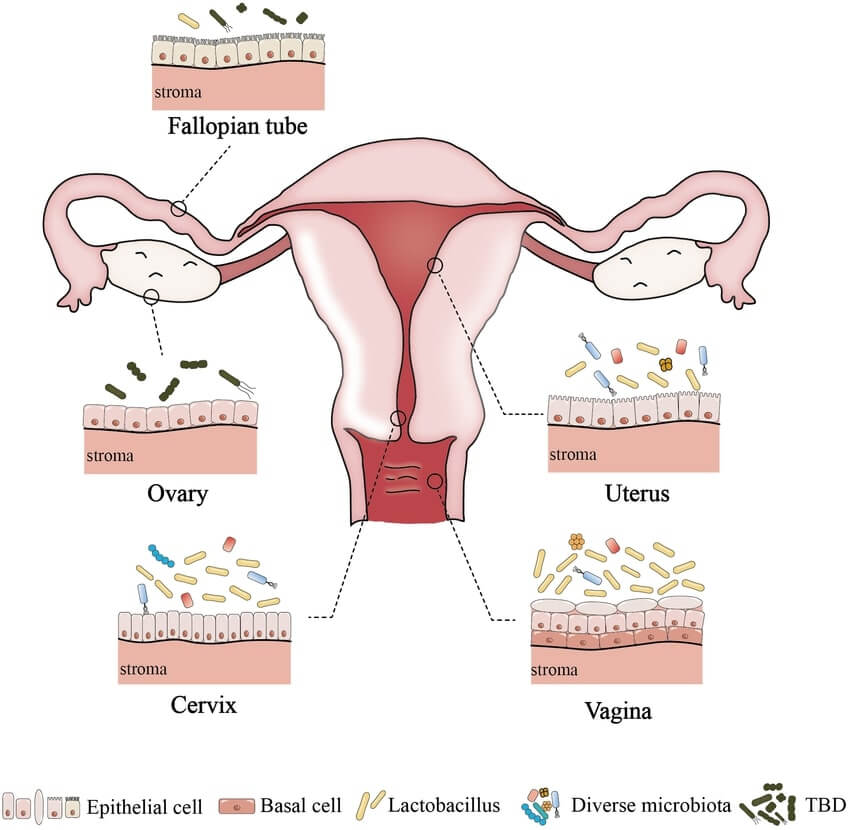
Source: ResearchGate website
The uterine microbiome, once thought to be sterile, actually may host a small community of microbes, including bacteria in the endometrium (lining of the uterus).
Scientists are still debating whether a consistent “core” uterine microbiome exists. The evidence is complicated by very low bacterial presence and the risk of sampling contamination.
Why It Matters for Implantation
A healthy, Lactobacillus-rich environment creates the ideal acidic, low-inflammation “soil” for an embryo to implant. By contrast, “dysbiosis” (imbalance) can trigger inflammation that interferes with embryo attachment.
In IVF and embryo transfer, studies have found that women whose reproductive tracts are dominated by Lactobacillus have significantly higher implantation and pregnancy success rates.
Examples of problem microbes include Gardnerella, Atopobium, Prevotella and Corynebacterium, which are linked to higher rates of implantation failure and miscarriage.
Evidence Linking Microbiome and Implantation Outcomes
Women experiencing multiple failed IVF transfers, often categorized as having recurrent implantation failure (RIF), typically show lower levels of protective Lactobacillus and higher amounts of less favorable bacteria such as Gardnerella, Prevotella, and Atopobium.
These findings suggest that even with high-quality embryos and normal hormone levels, an imbalanced reproductive microbiome may be undermining implantation success.
Protective Role of Lactobacillus
A notable study reported that women with over 90% Lactobacillus in vaginal samples before embryo transfer had implantation and live-birth rates near 60%.
Another clinical trial found that Lactobacillus crispatus dominance was closely associated with higher clinical pregnancy rates post-transfer.
What We Still Don’t Know
- Some women with a Lactobacillus-rich microbiome continue to experience failed implantation, indicating other factors are at play.
- Sampling the uterine microbiome remains tricky, it involves pulling fluid through the cervix, which risks contamination, and typical bacterial levels are extremely low.
- Most of the current evidence shows associations, with limited studies proving direct cause-and-effect.
Strengthening Your Microbiome Naturally
Here’s how you can boost the good bacteria, like Lactobacillus, through food, supplements, and lifestyle, simple, science-backed strategies you can start today.
Probiotics as Live Helpers
Oral probiotic supplements containing L. rhamnosus (e.g., LGG) are popular with women. They may support gut and vaginal health by lowering inflammation and reducing harmful bacteria.
Not all probiotics work ideally, for vaginal microbiome balance, probiotic strain matters. Products containing L. crispatus or L. rhamnosus may be the most promising.
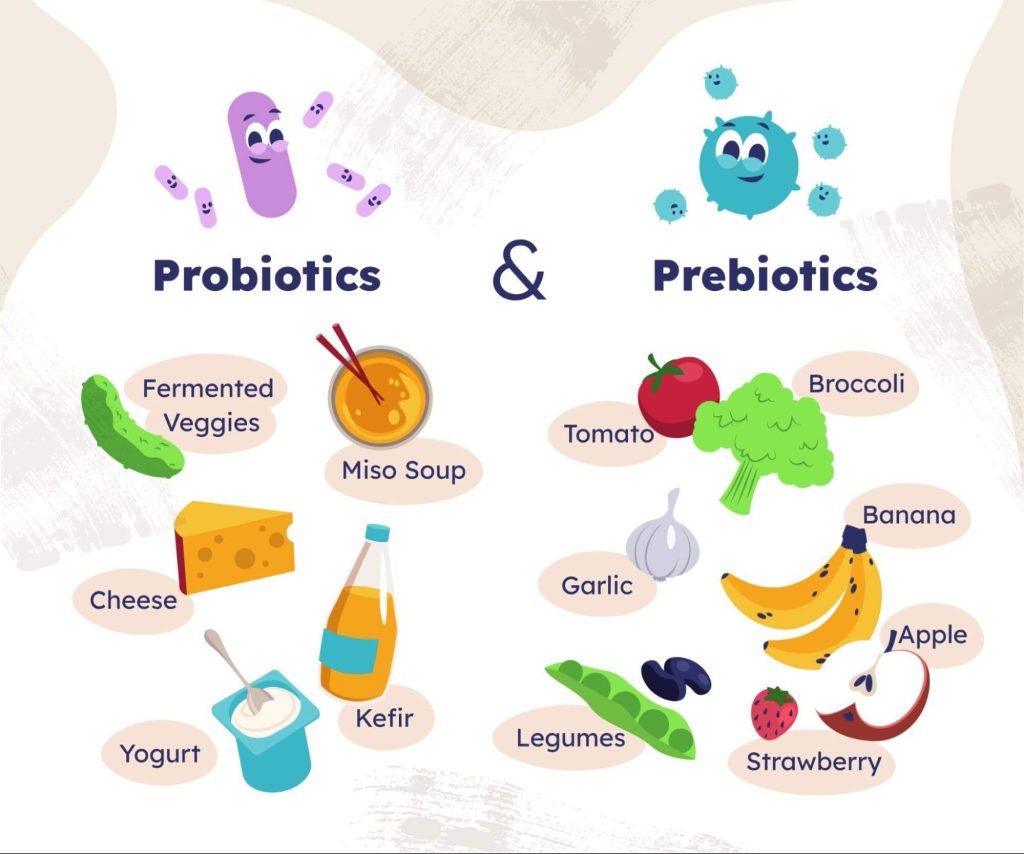
Prebiotics and Plant-Based Food for Good Bacteria
- Think garlic, onions, asparagus, leeks, oats, and bananas.
- These foods contain inulin and resistant starch, which Lactobacillus species especially like.
- Regular intake can encourage a beneficial gut, and possibly vaginal, microbial ecosystem.
What Doesn’t Work
- Generic probiotic blends sold online or in stores may not improve vaginal flora. One trial found only 29% improvement versus 40% with placebo, likely due to wrong strain or dosage.
- Avoid scented products, douching, and harsh cleansers, as they may disrupt pH and can upset bacterial balance.
A Simple Wellness Guide
- Choose a probiotic supplement with L. rhamnosus or L. crispatus.
- Eat a daily rainbow of prebiotic foods, including onion, garlic, oats, bananas, asparagus, for fiber that feeds healthy bacteria.
- Skip scented washes and tight synthetic underwear.
- Talk to your fertility team about using high-quality, strain-specific probiotic supplements or vaginal suppositories before embryo transfer.
How Microbiome Might Impact Implantation
Your immune system in the uterus acts like a careful gatekeeper. Friendly bacteria such as Lactobacillus help maintain a calm, anti-inflammatory state by producing lactic acid and small antimicrobials. This prevents excessive immune activity, which could otherwise block embryo attachment.
In contrast, when “unfriendly” bacteria invade, the immune system may shift into alert mode, raising inflammation and attracting immune cells. This disruption weakens the lining’s ability to support embryo embedding. In one study, women with imbalanced uterine microbiomes showed shifts in key immune cells (like T cells and uterine natural killer cells) linked to implantation failure.
Affecting Endometrial Receptivity
The lining of the uterus, called the endometrium, needs to change (a process called decidualization) to welcome an embryo. Microbes can influence this process. Friendly bacteria produce metabolic signals that regulate genes involved in endometrial preparation.
Research has indicated that women with higher bacterial diversity in their uterine lining were more likely to become pregnant after embryo transfer compared to those with less diversity.
In terms of how this works, it boils down to two connected effects:
Inflammation control – friendly bacteria calm the immune system, while harmful microbes do the opposite
Lineage readiness – microbial signals help endometrial cells prepare for implantation
Together, these processes shape whether the embryo finds a receptive, supportive environment. Next, we’ll look at how you can check and improve your microbiome before implantation.
Diagnostic Approaches & What You Can Do
Many clinics now use a double-lumen embryo transfer catheter to collect fluid from the uterine lining right before transfer. This method helps avoid contamination and gives a clearer picture of the uterine microbiome.
Vaginal swabs or cervical mucus samples are easier and less invasive, but they may not accurately reflect what’s happening inside the uterus.
Accurate sampling is key, so for a full view, combining uterine and vaginal testing is often recommended.
These tests can help you and your fertility team spot imbalances before embryo transfer.
Your reproductive microbiome may hold unexpected influence over embryo implantation. By identifying imbalances, using precise testing methods, and restoring Lactobacillus dominance through tailored treatments, you may be able to enhance chances for a healthy pregnancy.
If you’re navigating IVF, explore how Millennium IVF integrates cutting-edge insights into care, empowering hopeful parents with the latest science and personalized protocols.
Written by
Dr. Naruemit Wonglikitpanya, M.D.
Fertility specialist at Millennium IVF Clinic in Bangkok with over 15 years of experience, known for evidence-based IVF care and personalized treatment plans.
Share this article
Talk to our care team.
Free consultations with our specialists: clear, personalized advice for your IVF journey.
Book Consultation