How to Manage Bloating and Discomfort After IVF
Experiencing bloating, heaviness, or discomfort following IVF can surprise many patients. Even when the procedure is successful, the days after ovarian stimulation or egg retrieval might lead to swelling, tiredness, or slight discomfort that makes everyday activities seem more challenging than anticipated. These feelings are normal, but without proper direction they may lead to undue anxiety.
Bloating and discomfort after IVF are often short-lived and associated with the body’s reaction to fertility medication and hormonal fluctuations. In this update, we discuss the reasons behind these symptoms, outline what is deemed normal in the recovery process, and offer our practical methods to alleviate discomfort at home. Being more aware of your body’s reactions can boost your recovery with greater assurance and reduced anxiety.
Why Bloating and Discomfort Happen After IVF
Experiencing bloating after IVF does not indicate that anything has gone wrong. It is a bodily reaction to stimulation, changing hormones, and the egg collection procedure itself. Understanding the reason often allows the symptoms to be more manageable.
The Effect of Ovarian Stimulation
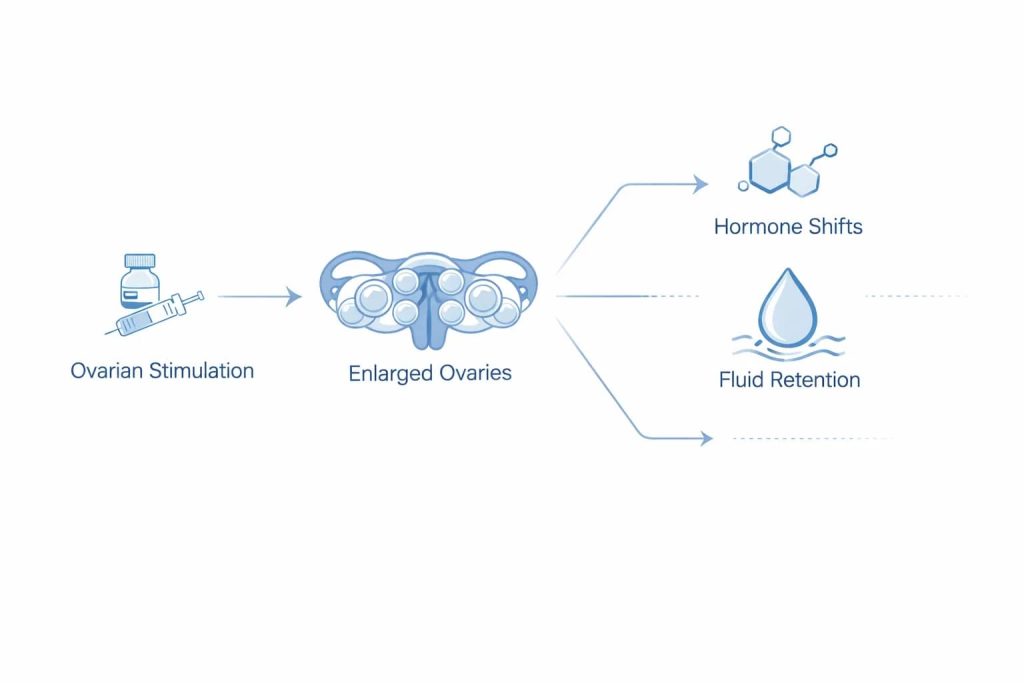
During stimulation, the ovaries are prompted to generate several follicles instead of the single follicle observed in a natural cycle. As the follicles develop, the ovaries increase in size. This produces a sensation of fullness or pressure in the lower abdomen that can start prior to egg retrieval and reach its maximum intensity afterward.
The body retains additional fluid when stimulated. Hormonal shifts influence fluid movement within tissues, leading to swelling and bloating that may resemble intense premenstrual symptoms.
What Egg Retrieval Adds to the Picture
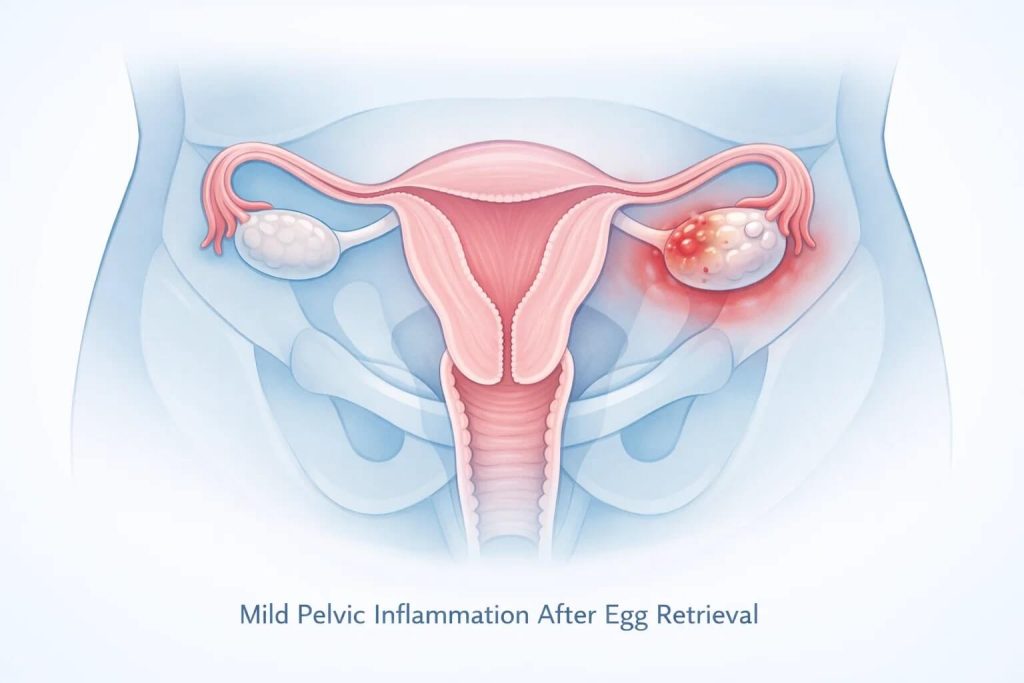
Egg retrieval is minimally invasive, but it still involves passing a needle through the vaginal wall to collect eggs from each follicle. This can lead to mild internal irritation and inflammation for several days.
Common sensations include:
- Pelvic heaviness or pressure
- Mild cramping similar to menstrual cramps
- Sensitivity when bending or changing position
These symptoms usually fade as the ovaries return to their normal size.
Hormonal Shifts After Treatment
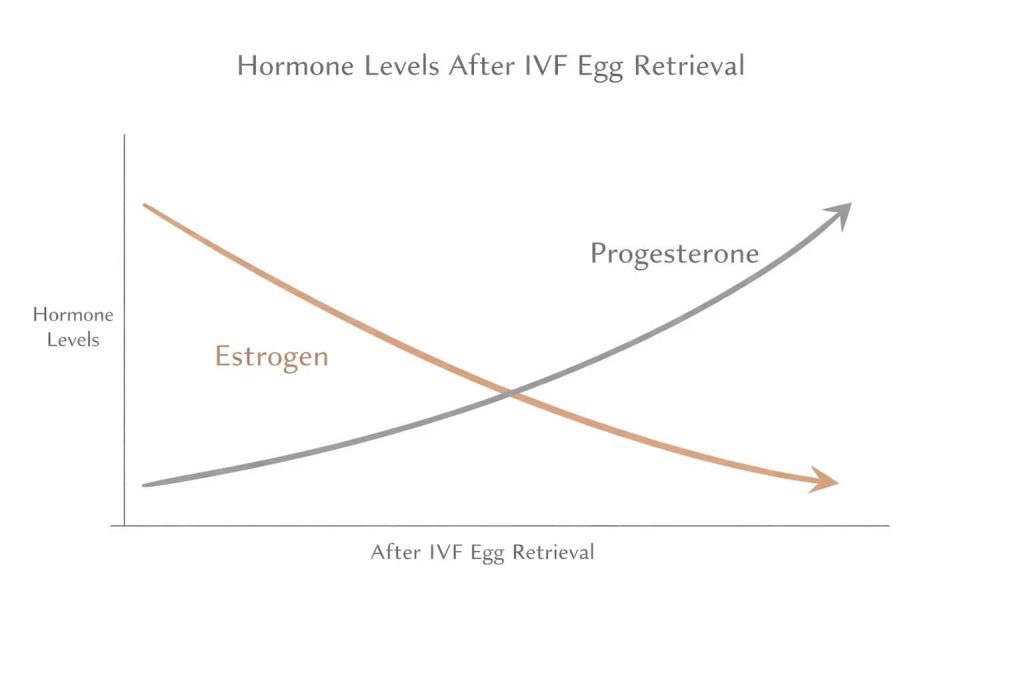
After retrieval, estrogen levels drop quickly. Progesterone levels may rise, especially if an embryo transfer is planned. This sudden shift can slow digestion, increase water retention, and worsen fatigue.
What Is Normal After IVF and What Is Not
The experience of recovery after IVF often varies greatly between individuals. Certain patients experience just slight bloating that diminishes rapidly. Some experience swelling, fatigue, and discomfort for a few days. Being aware of the expected symptoms can reduce anxiety and assist you in identifying when to ask for guidance.
Common and Expected Symptoms
Most post-IVF discomfort is temporary and improves gradually. It may feel more noticeable in the evening or after sitting for long periods.
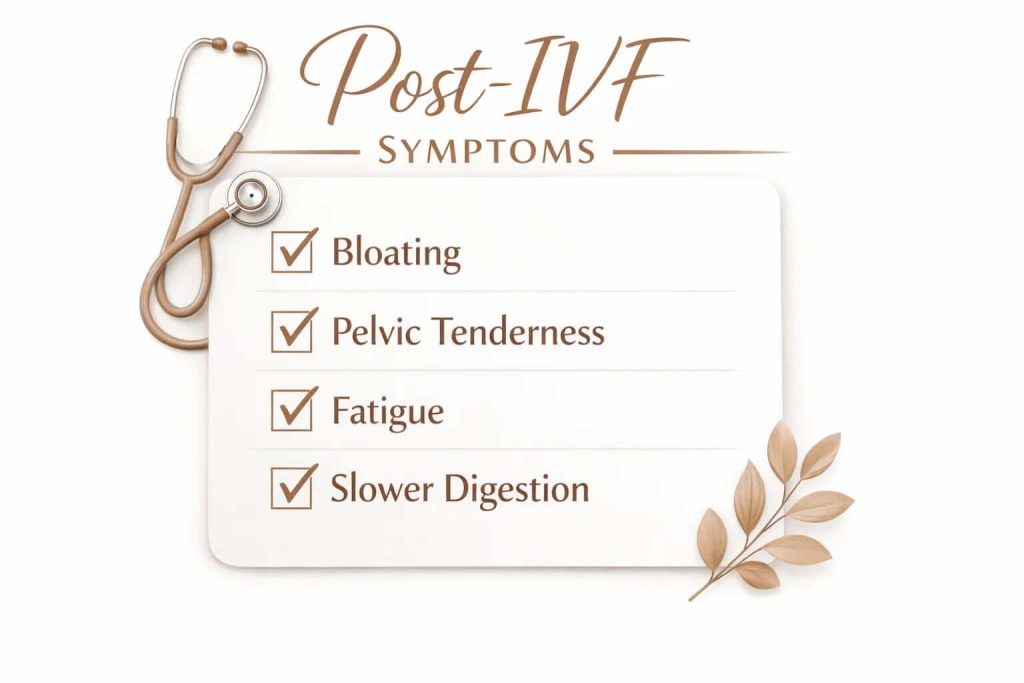
These symptoms often include:
- Abdominal bloating or a tight, stretched feeling
- Pelvic tenderness or mild cramping
- Fatigue, even after light activity
- Slower digestion or constipation
These sensations tend to peak a few days after egg retrieval and then slowly settle.
Signs That Typically Improve on Their Own
As hormone levels begin to stabilize, many patients notice steady improvement. Clothing feels more comfortable. Appetite returns. Energy levels rise. This usually happens within several days, although some people need a little longer, especially after a strong ovarian response.
When to Check in With Your Clinic
Some symptoms deserve prompt attention. They are uncommon, but it is important to recognize them early.
Contact our clinic if you notice:
- Rapid or sudden weight gain over a short period
- Increasing abdominal pain that does not ease with rest
- Shortness of breath or chest tightness
- Severe nausea or vomiting
If something feels off, it is always appropriate to ask. Reaching out early can provide reassurance or allow our care team to guide you through the next steps safely.
Practical Ways to Reduce Bloating and Discomfort
There isn’t one solution for post-IVF bloating, but minor, steady decisions can create a significant impact. The aim is not to hasten the healing process. Its purpose is to assist your body as it readjusts to a state of equilibrium.
Gentle Movement and Positioning
Total rest is rarely the answer for bloating. Gentle movements promote blood flow and aid digestion while avoiding strain on the ovaries.
Brief strolls in your house or outside can be beneficial. Getting up frequently after being seated also has an impact. While resting, numerous patients find it more comfortable to have their upper body slightly raised instead of being entirely horizontal.
Steer clear of movements that put pressure on the stomach. Twisting, quick bending, or core-centered workouts should be postponed until the bloating subsides.
Hydration and Fluid Balance
Staying properly hydrated might seem counterintuitive when you’re feeling bloated, but drinking fluids assists the body in managing fluid retention. When you’re lacking hydration, the body tends to retain water.
Helpful habits include:
- Sipping water throughout the day rather than drinking large amounts at once
- Including fluids with electrolytes if recommended by your doctor
- Limiting very sugary drinks that can worsen bloating
Alcohol should be avoided during recovery, as it can increase dehydration and discomfort.
Food Choices That Support Comfort
Digestion often slows after IVF due to hormone shifts. Eating smaller meals more frequently can feel easier than large portions. Gentle, easy-to-digest foods often work best in the first few days.
Many patients find relief by:
- Choosing fiber-rich foods to prevent constipation
- Reducing very salty foods that increase fluid retention
- Limiting foods that cause gas, such as carbonated drinks or heavy fried meals
Easing Back Into Balance
Bloating, fatigue, and mild discomfort after IVF are common, even when treatment goes smoothly. These symptoms reflect how your body responds to stimulation, egg retrieval, and shifting hormone levels. With time, they usually fade. Gentle movement, thoughtful food choices, proper hydration, and paced rest can make recovery noticeably more comfortable.
A few points to keep in mind:
- Bloating often peaks after egg retrieval and improves gradually.
- Light activity supports circulation and digestion better than complete rest.
- Listening to your body is more helpful than following rigid rules.
- Worsening or unusual symptoms should always be checked early.
Recovery looks different for everyone, and comparison rarely helps. If you are navigating IVF or need guidance on post-treatment care, our fertility team at Millennium IVF can support you with clear advice, reassurance, and personalized care as your body settles back into balance.
Written by
Dr. Naruemit Wonglikitpanya, M.D.
Fertility specialist at Millennium IVF Clinic in Bangkok with over 15 years of experience, known for evidence-based IVF care and personalized treatment plans.
Share this article
Keep reading.
Egg Freezing
How Many Eggs Should You Freeze? Understanding Realistic Numbers and Future Options
Fertility Checkups/Analysis
What Happens During Fertility Blood Testing? Understanding Common Hormone Tests
Consultation and Diagnosis
Can You Start Fertility Testing in Your Home Country Before Traveling for IVF?
Talk to our care team.
Free consultations with our specialists: clear, personalized advice for your IVF journey.
Book Consultation